The AI of the Beholder
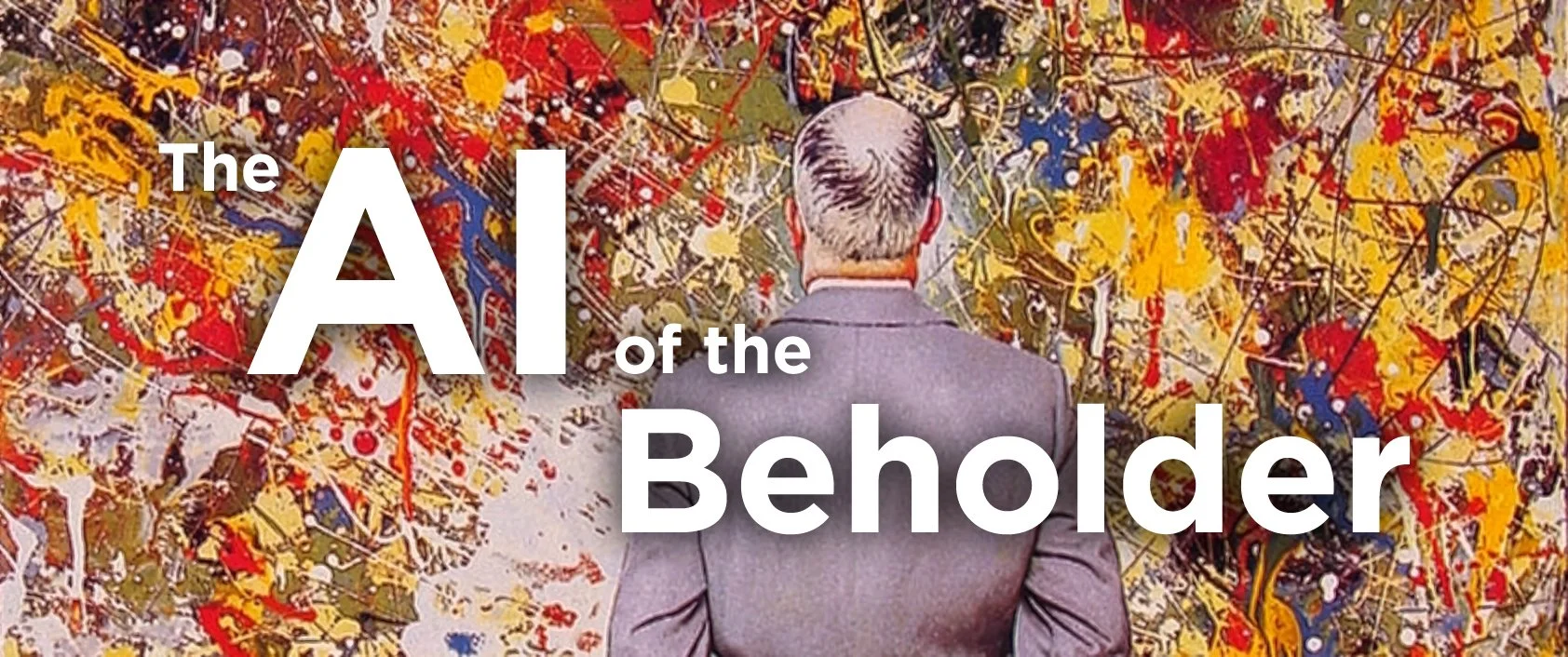
The Connoisseur, Norman Rockwell, 1962
A painting can look flawless on a monitor and fall apart the moment you stand in front of it. Or worse—it can turn out not to be a painting at all.
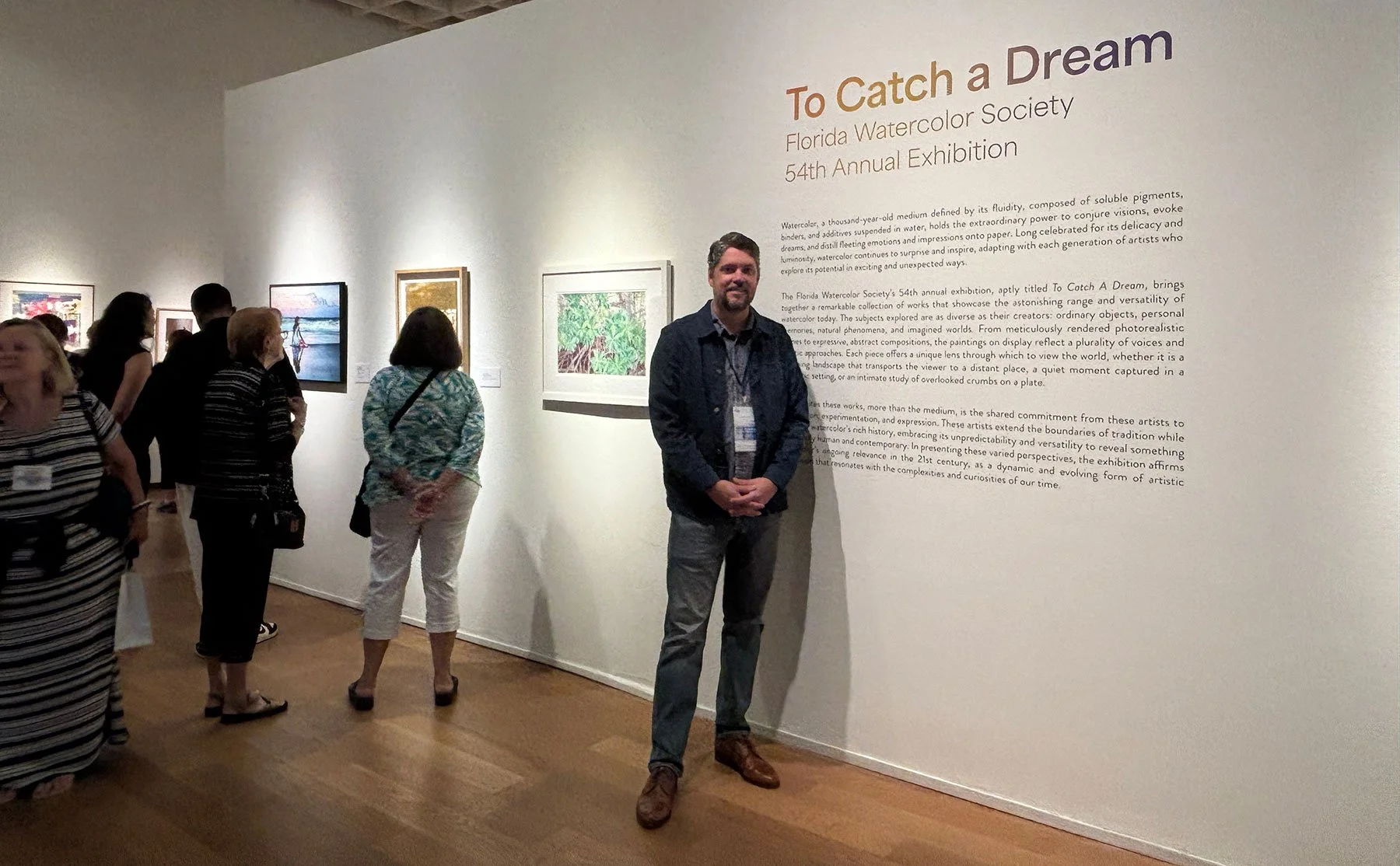
Last year, I was asked to be the juror of selection and awards for the Florida Watercolor Society’s (FWS) annual exhibition. The FWS show and convention is recognized as one of the top water media exhibits in the country, and I was honored by the invitation.
There was just one problem.
The contract had me scheduled to select the paintings for awards by viewing the artwork online.
For those that are unfamiliar, most art exhibitions have a selection juror, panel of judges, or curator who selects the works to be included in the show. Often this person(s) is also responsible for choosing the paintings that will receive awards. Some of these shows offer over $100,000 in cash awards, as well as international recognition, so the stakes are high.
As I’ve written about elsewhere, paintings and sculpture need to be seen in person to be fully appreciated, and while our society is in love with our screens, that viewing experience is not the same.
But arguably the bigger issue is the growing use of AI image creation.
I’ve compared notes with other respected jurors and we’re all seeing it more and more. Early on we could tell when an image was AI generated, but it’s getting harder. What happens when we can’t tell a real painting from an AI image?
This has happened repeatedly. From painting competitions to photography exhibitions—AI is fooling the savviest viewer.
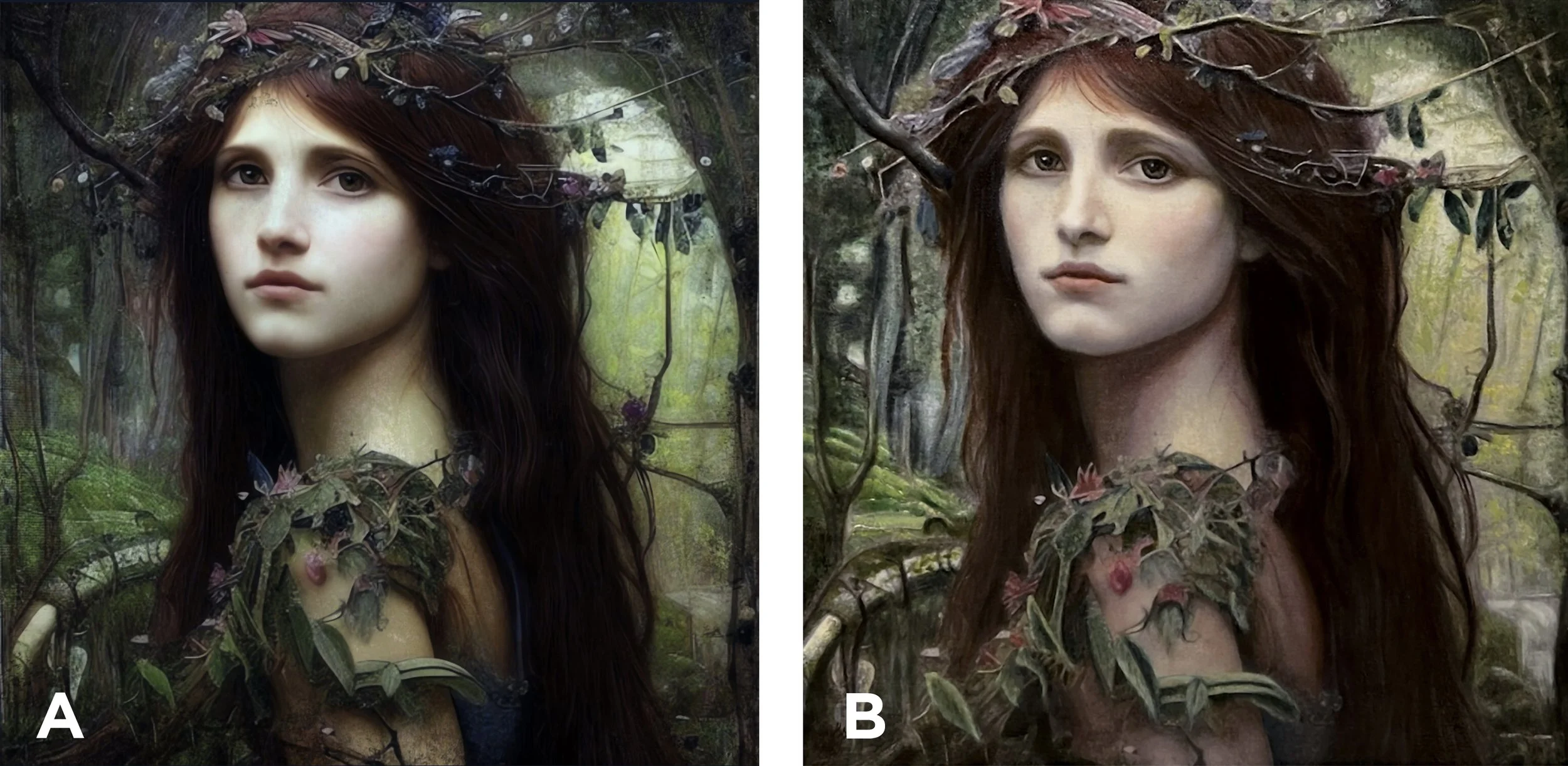
Last year, the ARC Salon awarded a painting titled The Witchling an honorable mention as well as a purchase award in the Portraiture Category.
Image “A” below is The Witchling as it was submitted online. “B” is the painting that was delivered for the in-person salon.
Of course the internet loves a story like this, and there was no small amount of “discussion”. To their credit, the ARC Salon did revoke the award and readjudicate the results. But damage was done and this is just one of many examples where AI was used in a dishonest way.
To be clear, I’m referring to competitions that explicitly prohibit AI generated images in their prospectus, and yet, unscrupulous people are still trying to use AI images as their own original handmade creations. I have no problem with digital art, photoshop, or CGI.
I am all for artists using technology in the creative process. I’m against artists using deceptive practices to try to be something they are not.
Much has been written about this and other incidents, and my point is not to retread that ground. I simply want to stress the importance for a juror to see artwork in person, especially when awarding large prizes in prestigious competitions.
As a juror, your credibility and reputation are on the line. Your name and likeness are used to promote these shows. Organizations and venues, many with long and storied histories, also have their pedigree on the line, not to mention the sponsors, patrons and collectors. A juror has a responsibility to make sure the work presented is what it purports to be.
My current position is that I’m happy to select paintings for inclusion in a show via an online platform, but awards need to be done in person, unless there are extraordinary circumstances (I’m looking at you Global Pandemic).
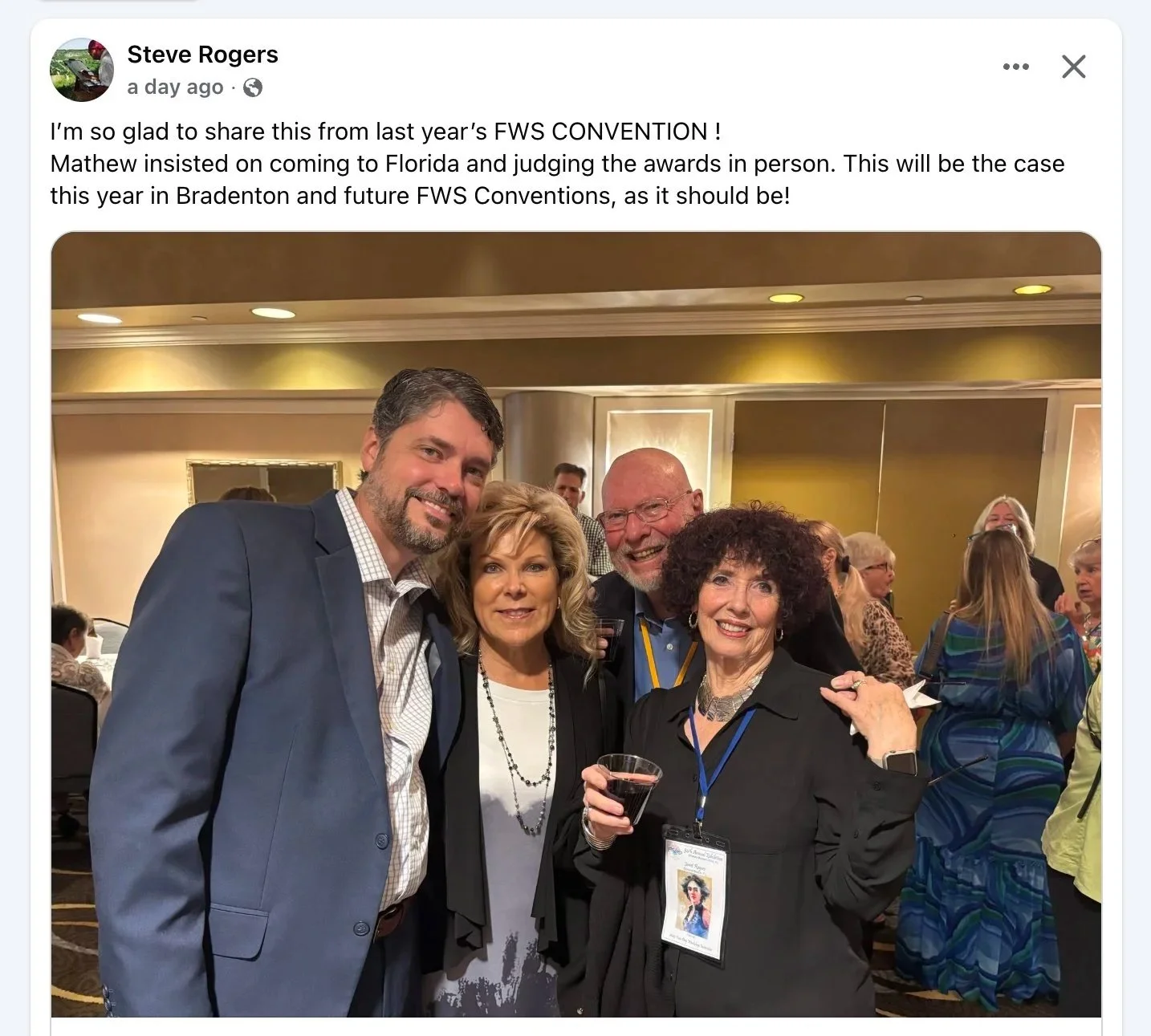
If you work for an art society or guild; museum or gallery, don’t short change the value of seeing artwork in person in order to put forth the best possible show. And if you are a juror, make yourself available and take the time needed to give proper evaluation to your fellow artists.
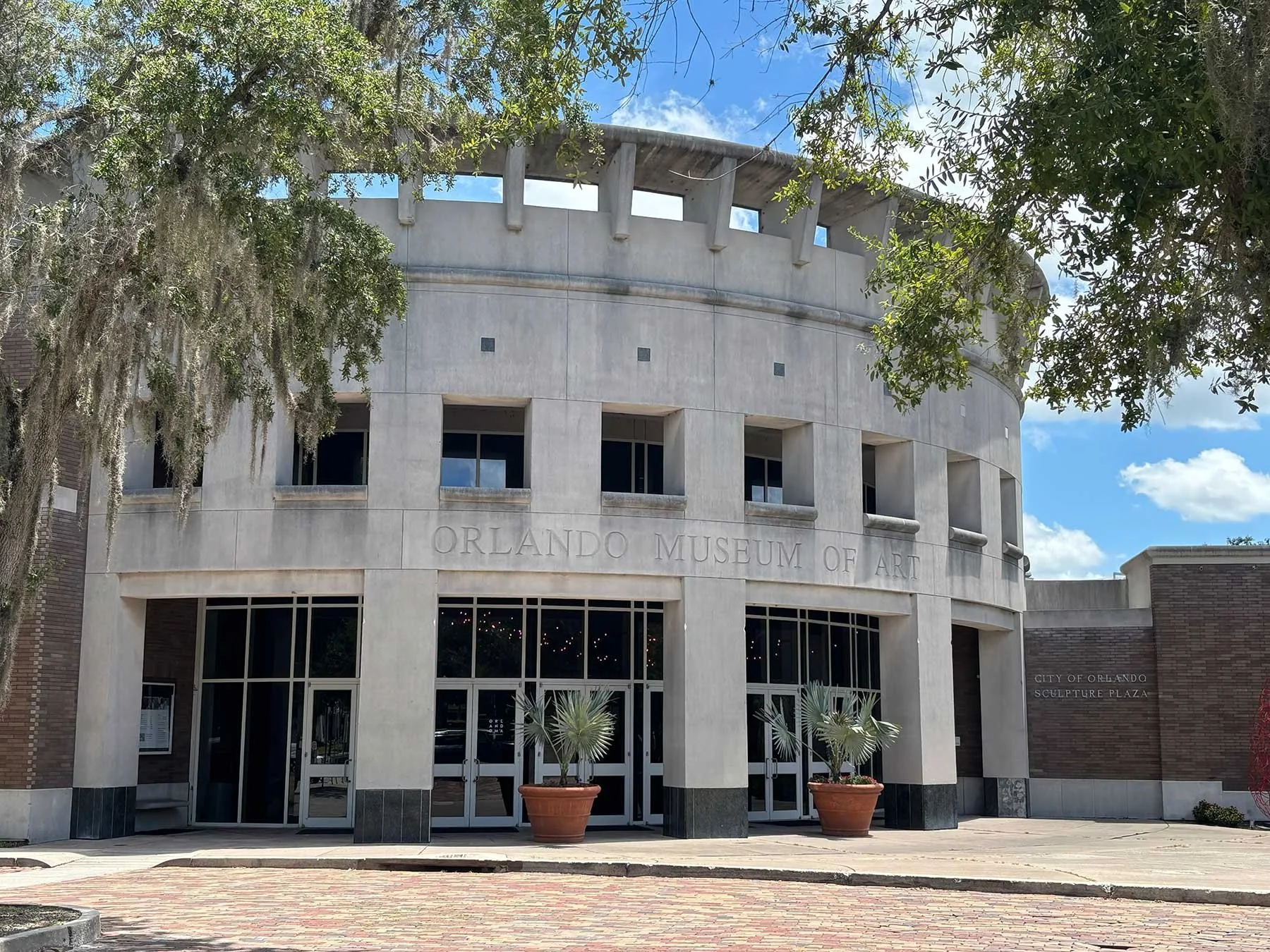
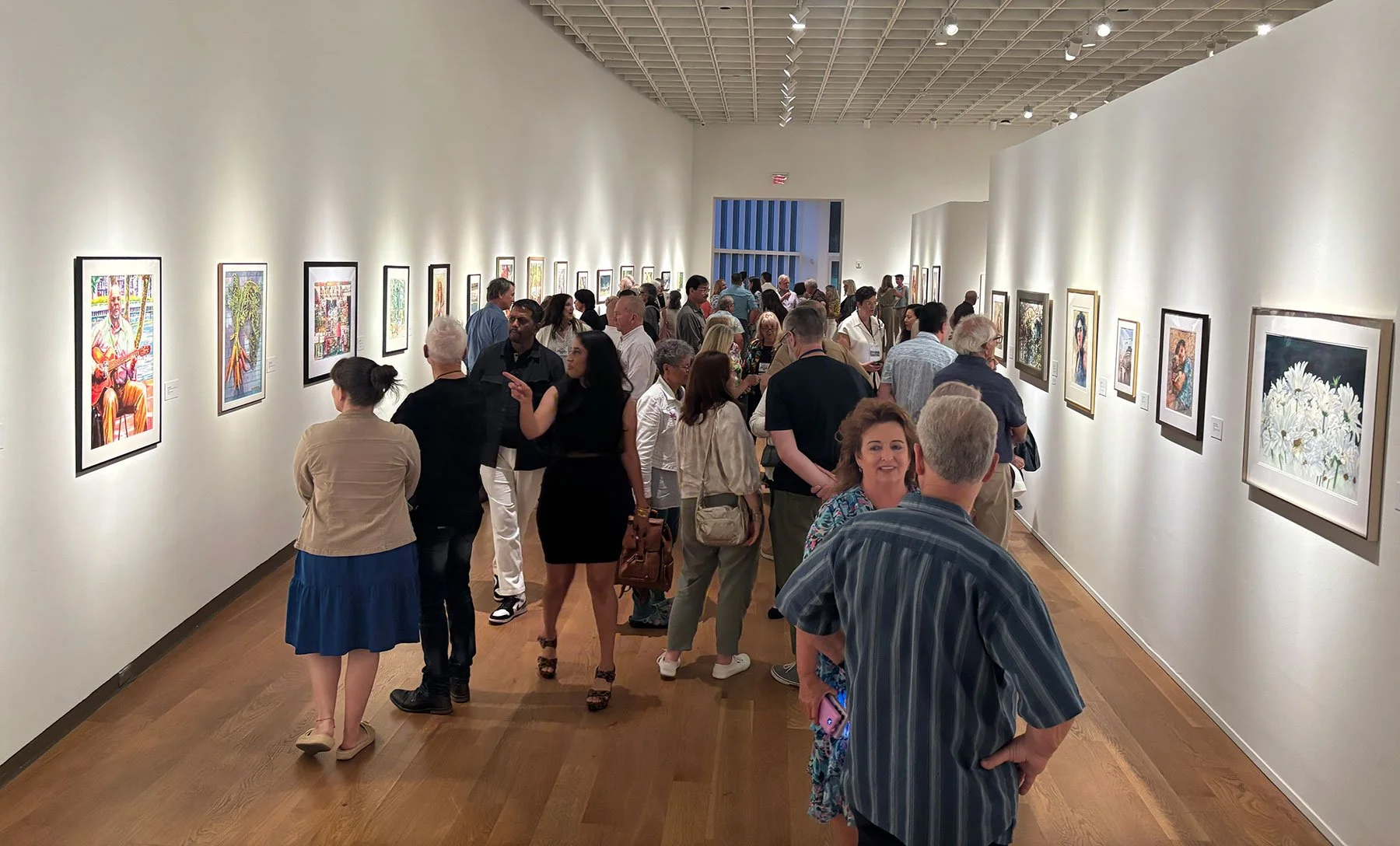
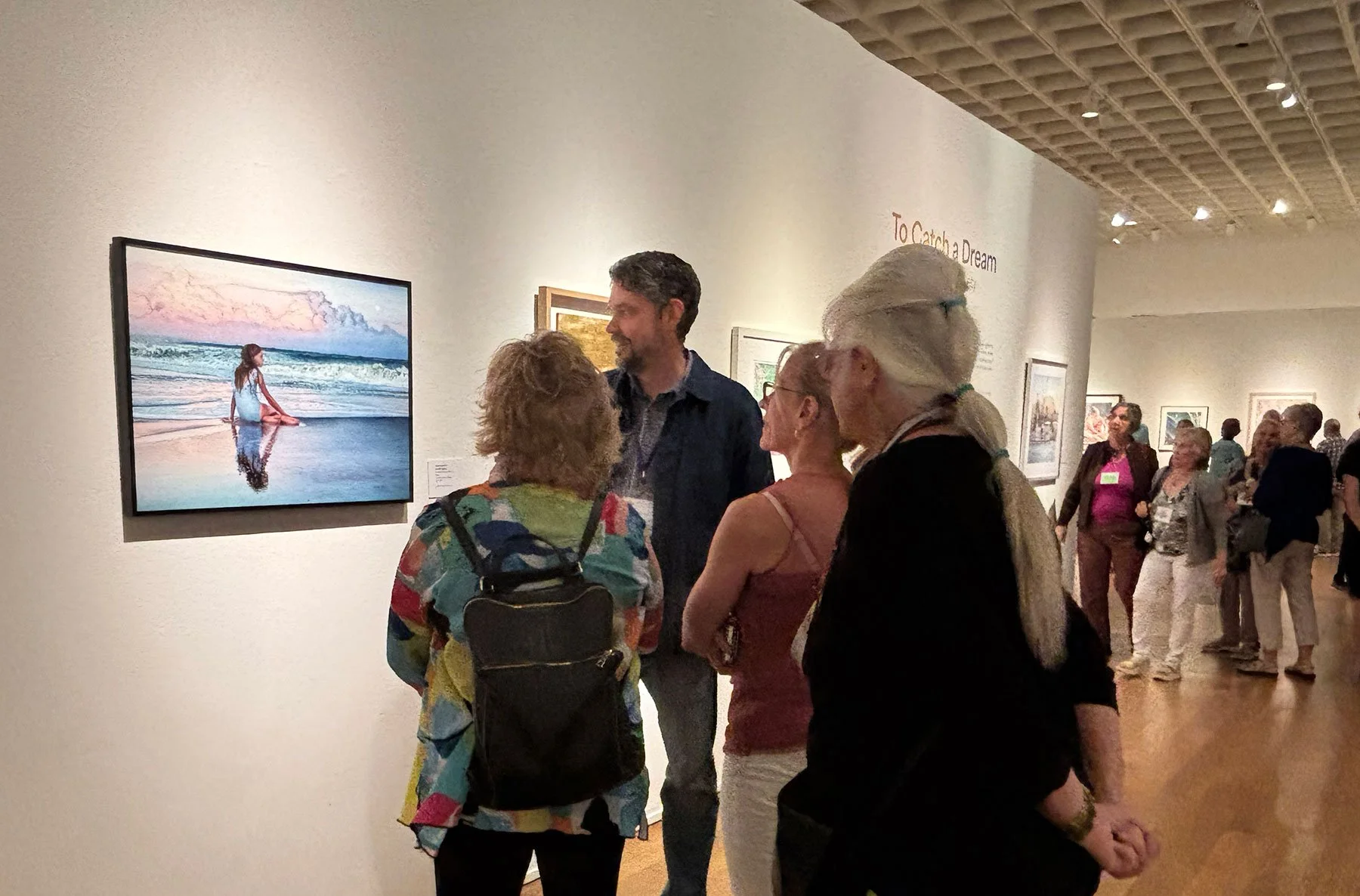
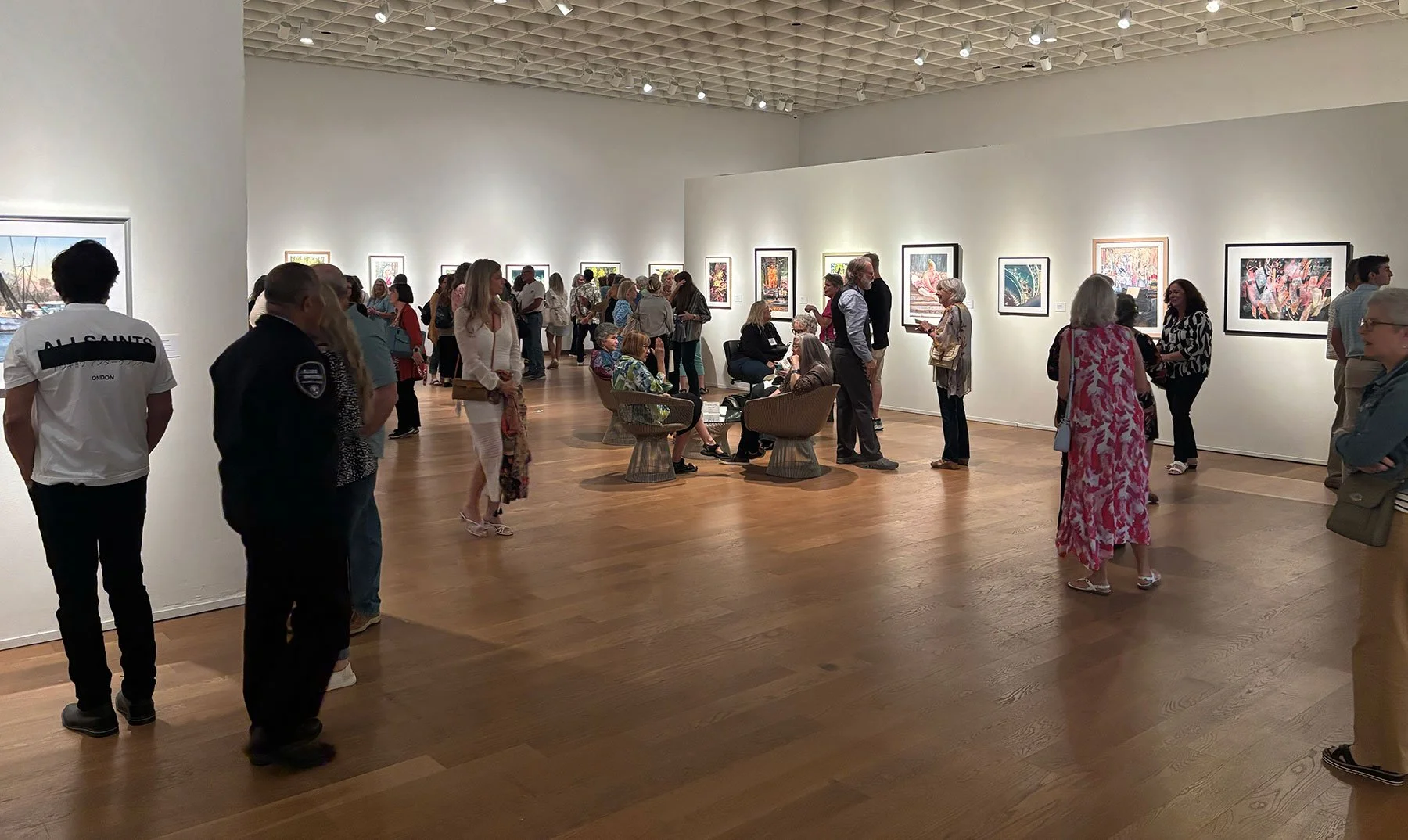
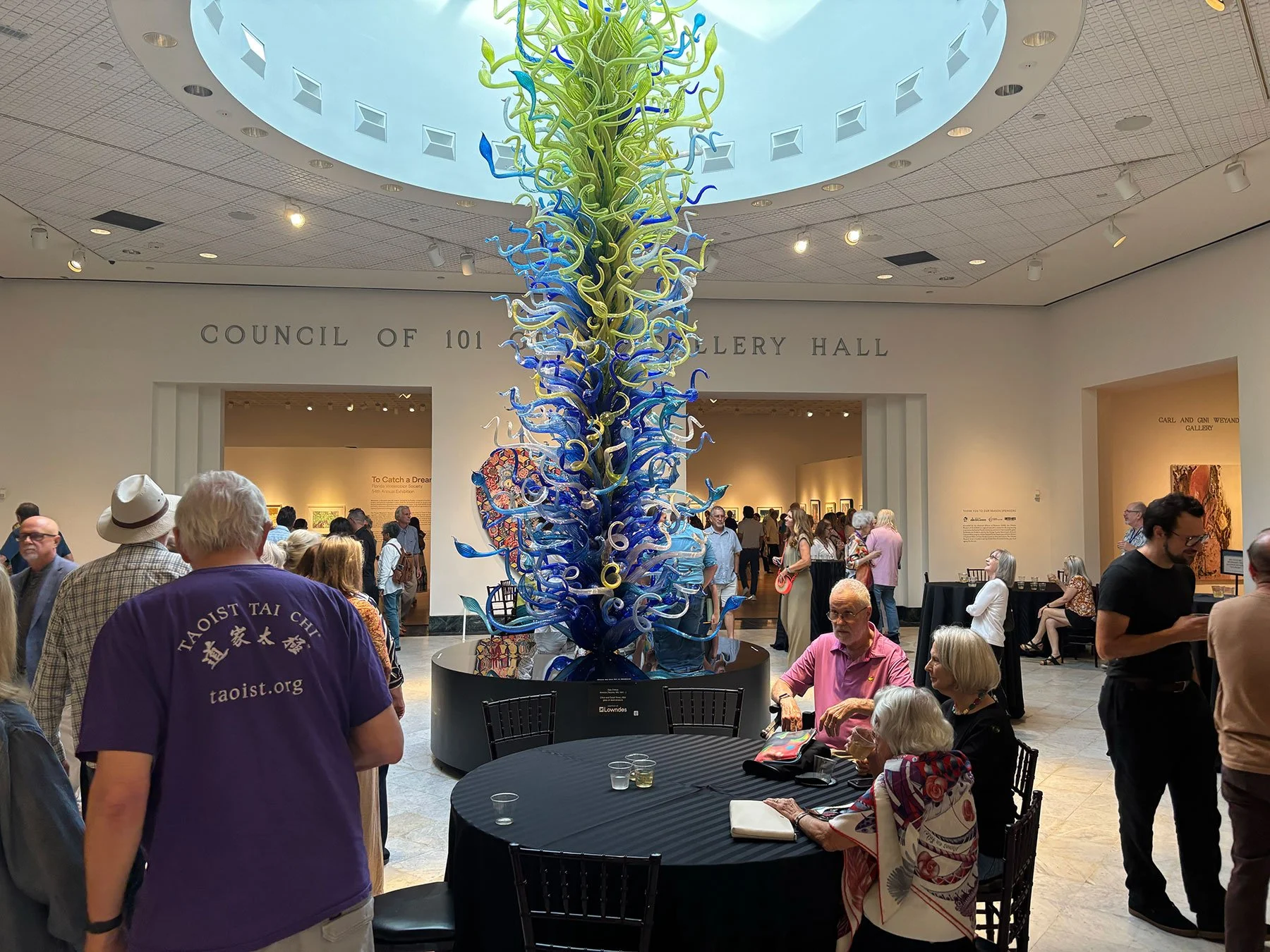
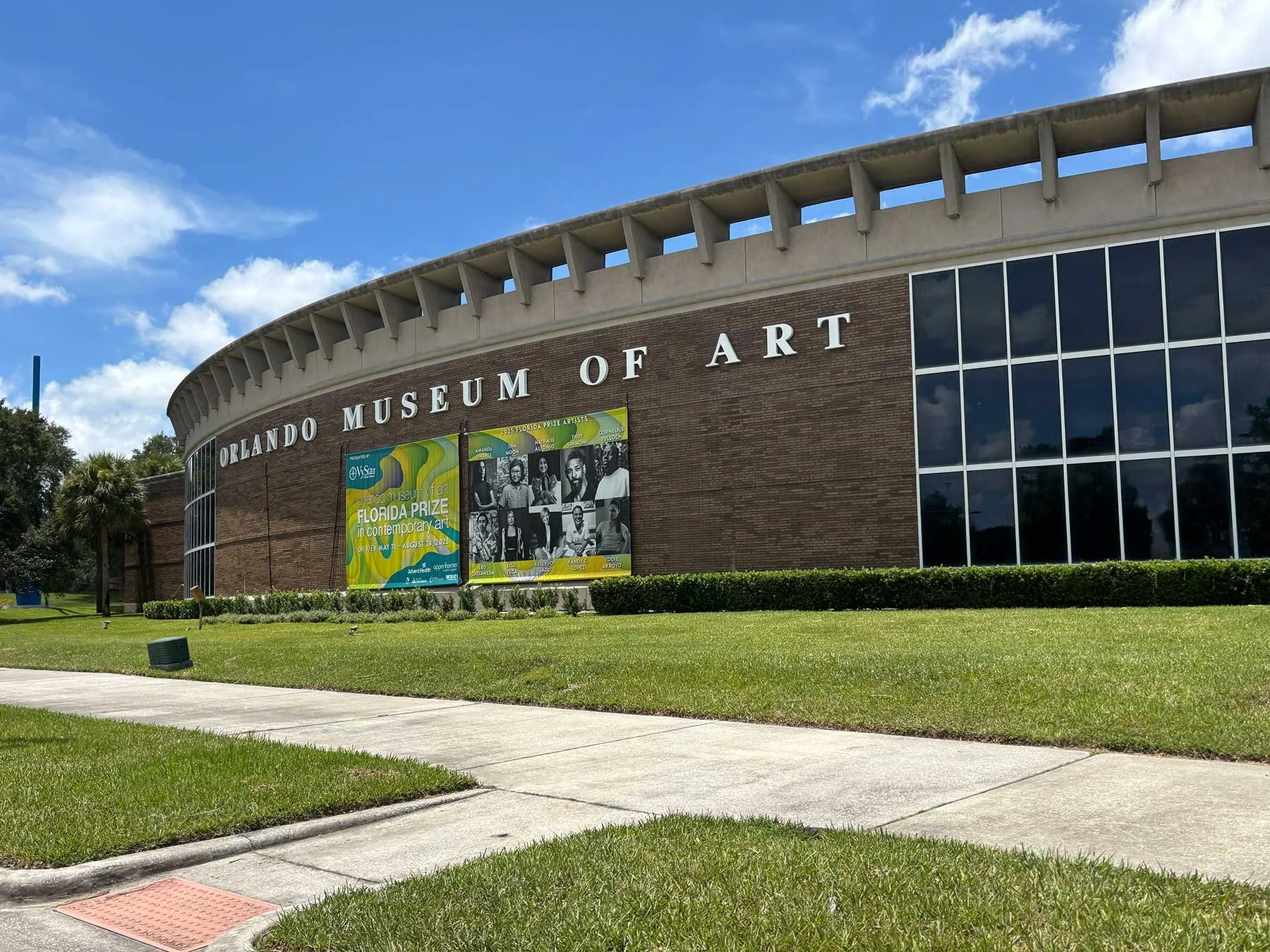
In the case of Florida Watercolor Society’s exhibition, I offered to fly down and judge awards in person if they could make the work available to view. Everyone there was a delight to work with; the Orlando Museum of Art is a beautiful venue. Thankfully all the paintings were as they presented online, and the show was a great success.
Hopefully this important step in judging doesn’t get lost in budget cuts or scheduling issues. Beauty on a screen is easy, but authenticity is harder. In the age of AI, discerning the difference requires going the extra mile.